

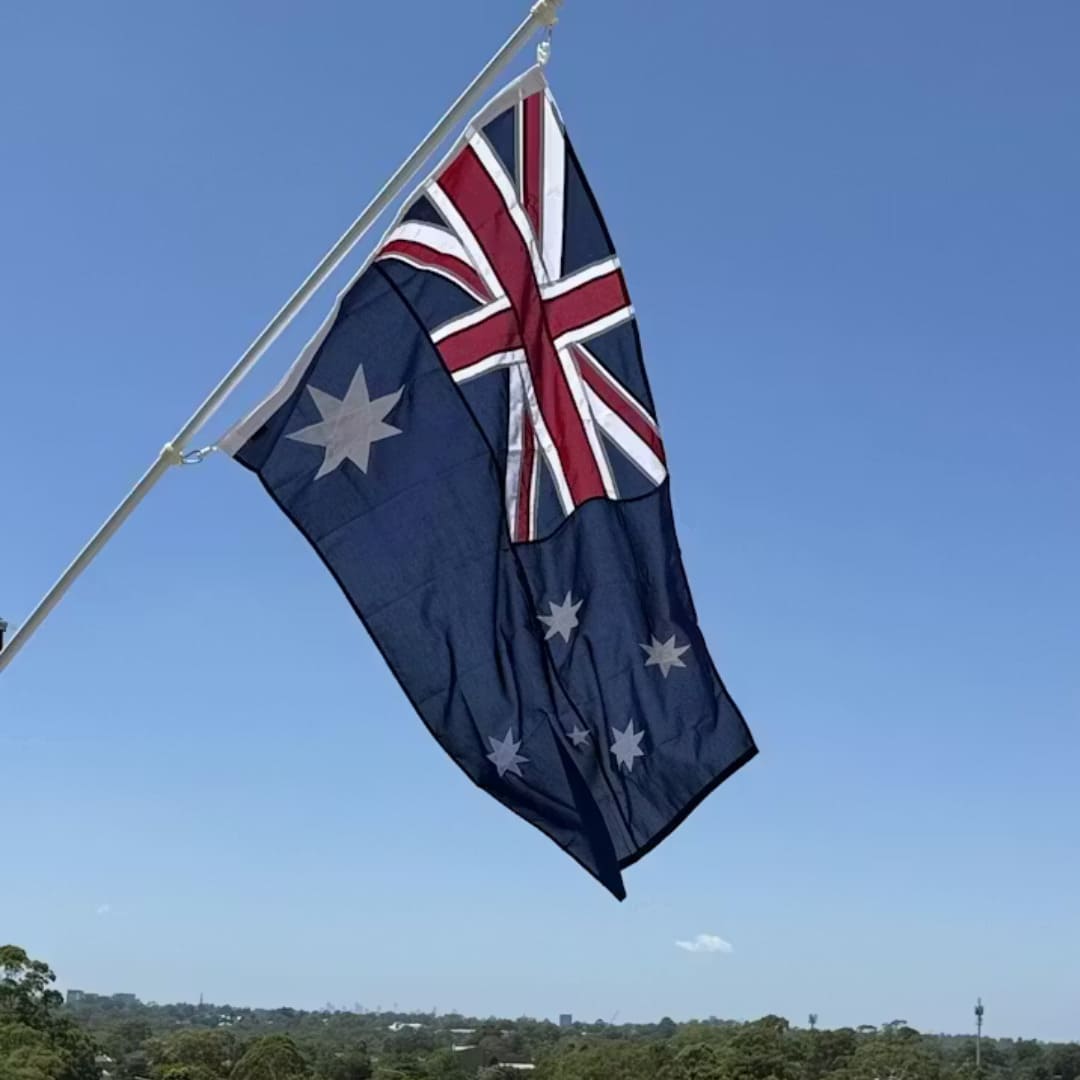
Optimal Australian flag care is about two things. You want to show respect for our national symbol. You also want to get the absolute most out of your premium flag. Maintaining a fully sewn flag with real fabric and appliqued stars requires a simple maintenance routine. This routine slows down the damage caused by the harsh Australian weather. It protects the heavy-duty polyester fabric, the Union Jack, and the double-stitched hems from breaking down too quickly. Taking these small steps directly extends its lifespan.
The exact lifecycle depends entirely on your local wind conditions and how you choose to fly your display. To keep your flag looking bright and minimise inevitable wear and tear, best-case scenarios mean bringing the cloth down at sunset. Flying your flag from sunrise to sunset avoids rough night storms. It ensures your woven polyester bunting stays in great condition for as long as possible.
Why do fully sewn flags require specific maintenance?
It is easy to think a premium flag can withstand anything without care because it survived a few storms. However, leaving it on the pole allows outdoor dirt to settle deep into the seams. This buildup creates a risk that destroys the stitching over time.
-
Trapped dirt acts like sandpaper: Microscopic grit settles into the crevices where the fabric panels meet. When the wind picks up, this trapped grime rubs against the threads and grinds the stitches apart.
-
Hitting obstacles shreds the edges: The fastest damage always happens at the fly end. If the flag whips against a roof line, gutter, or tree branch, the rough surfaces can rapidly damage the fly end and significantly shorten the flag's lifespan.
You cannot stop the harsh Australian weather, but you can prevent this premature wear. Regularly washing the flag removes the abrasive grit from the double stitching. Keeping the panels clean and clear of obstacles will protect the fly end and easily extend its lifespan.
How do you safely wash and dry a premium sewn flag?
The laundering protocol for the Australian Flag
You can keep your flag looking pristine. Wash as needed based on local conditions and visible buildup. Never mix your flag with regular clothes, as rough fabrics and zippers can snag the appliqued stars.
While hand washing in cold water is excellent, you can use a washing machine if you follow these steps:
-
Pre-soak: Place the flag in a tub of cold water for fifteen minutes to loosen atmospheric dust and grit from the seams.
-
Protect the drum: Wrap a thick sock securely around the flagpole clips. This simple step prevents the clips from rattling against and damaging your washing machine drum.
-
Select gentle settings: Use a short, delicate cycle with cold water only.
-
Use mild detergent: Choose a mild, gentle laundry detergent. Avoid detergents with bleach or optical brighteners, as these harsh chemicals fade the deep blue panels and ruin the red stitching.
Line drying and preventing fabric mildew
Proper drying is just as critical as the wash itself to prevent premature wear and tear.
-
Never store it wet: Putting a damp flag into a dark cupboard or storage bag invites mould and mildew. This completely ruins the fabric fibres and causes a foul smell.
-
Line dry in the shade: Hang the flag flat on a clothesline immediately after the wash cycle finishes. Our flag dries quickly because of its construction.
-
Avoid the tumble dryer: Never put a premium sewn flag into a dryer, as heat will shrink the fabric, warp the panels and structural stitch lines.
What is the correct Australian flag etiquette for day and night?
Flying from sunrise to sunset
Official Australian protocol states you should fly the national flag from sunrise to sunset. You must not leave it up overnight unless it is properly illuminated with floodlights.
Bringing your flag down at dusk honours tradition and shows correct respect. It also provides a massive practical benefit. Taking it down every evening increases its lifespan. This simple habit keeps the fabric safe from damp overnight dew and rough midnight storms.
Safe handling and the traditional concertina fold
The first rule of flag handling is simple. Never let the cloth touch the ground. Keeping the flag off the grass shows pride in our national symbol.
When you lower the flag at sunset, follow the traditional concertina fold to store it safely:
-
Hold it taut: Keep the flag off the ground with the help of a partner.
-
Fold lengthwise: Fold the flag lengthwise twice to create a long, narrow strip.
-
Fold accordion style: Start from the outer fly end and fold the panels back and forth toward the flagpole edge.
-
Secure the bundle: Wrap the halyard rope around the folded cloth to keep it tight and neat.
This method prevents hard creases and ensures the panels can unfold smoothly the next time you hoist them. For more details about official display rules, check out the full guide on Australian national flag protocols and etiquette.
Protecting your flag from the flagpole
Your flagpole hardware plays a massive role in how long your flag lasts. Rough or neglected parts can cause serious damage before the weather even has a chance to.
Maintaining the halyard rope and plastic clips
A frayed halyard rope creates constant friction against the flag header tape. This rough texture can cause premature tearing along the reinforced corners.
Using the right clips protects your display and your ears. Our flags come with noise-free plastic clips that prevent that annoying metal rattling sound against the pole during high winds. These smooth clips reduce friction and secure the flag safely without scratching the surface.
If your rope looks worn, you can use a clever trade secret to replace it without lowering the pole. Simply sew the end of your new halyard rope to the old one using a needle and waxed thread. Pull the old rope down, and it will thread the new one smoothly through the top flagpole pulley in seconds.
Clearing the whipping zone
You must ensure your flag flies completely free from any surrounding obstacles. The whipping zone is the full 360-degree circle the flag creates as the wind direction shifts.
Never allow the cloth to brush against tree branches, gutters, roof lines, or wires. Friction against anything that's in the way will rapidly tatter even the strongest woven polyester.
When should a worn flag be replaced?
There is no set calendar date for replacing a flag. It completely depends on your local weather and how excessive the wind has been over the months.
-
Catch fraying early: If you spot minor fraying on the outer fly end, you can often cut it back and re-hem the edge. Catching this early prevents a small tear from ruining the whole fabric panel.
-
Follow proper disposal protocol: When the cloth becomes deeply faded or structurally tattered, it must be retired. As we explained in our Australian national flag protocols and etiquette guide, you should never just chuck a whole flag into the regular rubbish bin. Official protocol requires you to destroy it privately and respectfully.
Why Choose a Fully Sewn Flag Over a Printed Alternative?
Understanding the physical differences between a premium fully sewn flag and a standard printed flag helps explain why proper maintenance is so effective. Fully sewn flags are crafted from panels of heavy-duty fabric, whereas printed flags are simply a single sheet of material coated in ink.
The table below outlines how these structural differences impact durability under harsh Australian weather conditions.
| Feature & Construction | Fully Sewn Flag (Premium Fabric) | Printed Flag (Standard Ink) |
| Material Thickness & Build | Real fabric panels with individual appliqued stars and the Union Jack. | A single, thin sheet of polyester with the design chemically printed on top. |
| Edge & Stitch Strength | Features double-stitched hems and reinforced corners to resist fraying. | Basic single-row or heat-sealed edges that readily unravel when whipped by wind. |
| Wind & Weather Strain | Built to handle tough outdoor conditions, outlasting cheap alternatives. | Vulnerable to early tearing, often resulting in a significantly shorter lifespan. |
| Rain & Moisture Behaviour | Ours are quick-drying fabric that prevents mould. | Holds less water weight initially but thin material degrades faster when repeatedly soaked and dried. |
Frequently Asked Questions about Australian Flag Care
Why does flying a flag 24/7 shorten its lifespan so drastically?
Flying a flag continuously increases total exposure to sunlight, moisture, wind and changing weather conditions. Bringing the flag down at dusk protects the fabric panels from overnight environmental damage, easily doubling or tripling its working life.
How often should you wash your flag if you live near the ocean?
If you live within 5km of the coast, you should wash your flag more frequently. Salt air does not just corrode metal flagpoles. Salt crystals actually embed themselves right into the woven polyester panels and dry out the stitching. This makes the threads brittle and prone to snapping, so a regular rinse is essential to clear the salt out.
How does the two-flag rotation strategy extend their lifespan?
Keeping two flags on hand and swapping them over regularly can help extend overall service life. It gives you plenty of time to wash, dry, and repair one flag thoroughly without rushing it back onto the pole. While one flag is resting and being maintained, your backup flag takes the shift so your flagpole is never left empty.
Tip: Did you know you can save money when buying multiple fully sewn flags at our shop


